
Playground Wall Garden
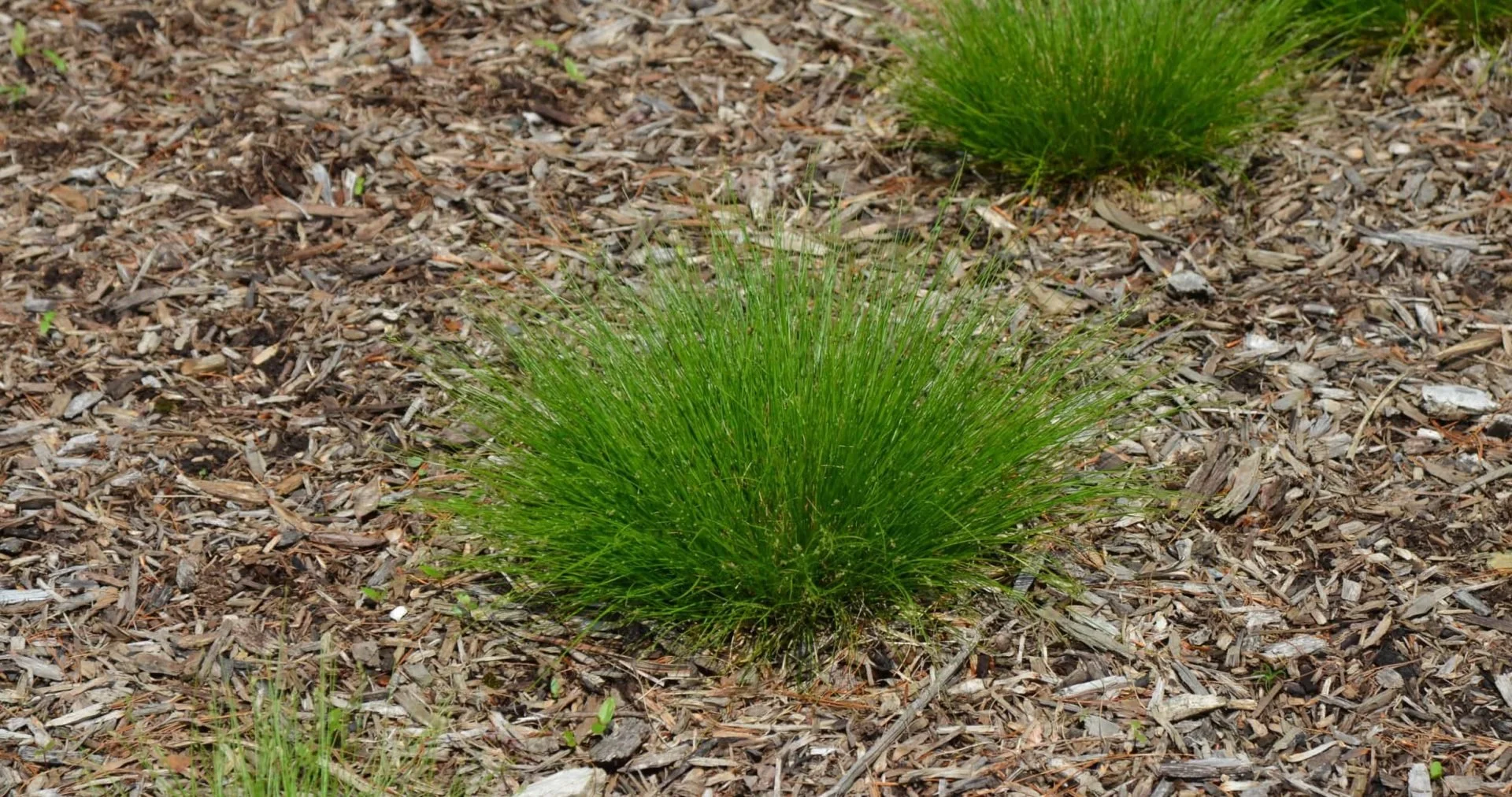
Carex, Appalachian
Carex Appalachia
This sedge forms a fine-leaved, 16-inch-wide clump on well drained slopes. It works well as a ground cover with other woodland plants as it does not spread.
Growth: sedge, .8’h, shade to part shade, average to dry soil
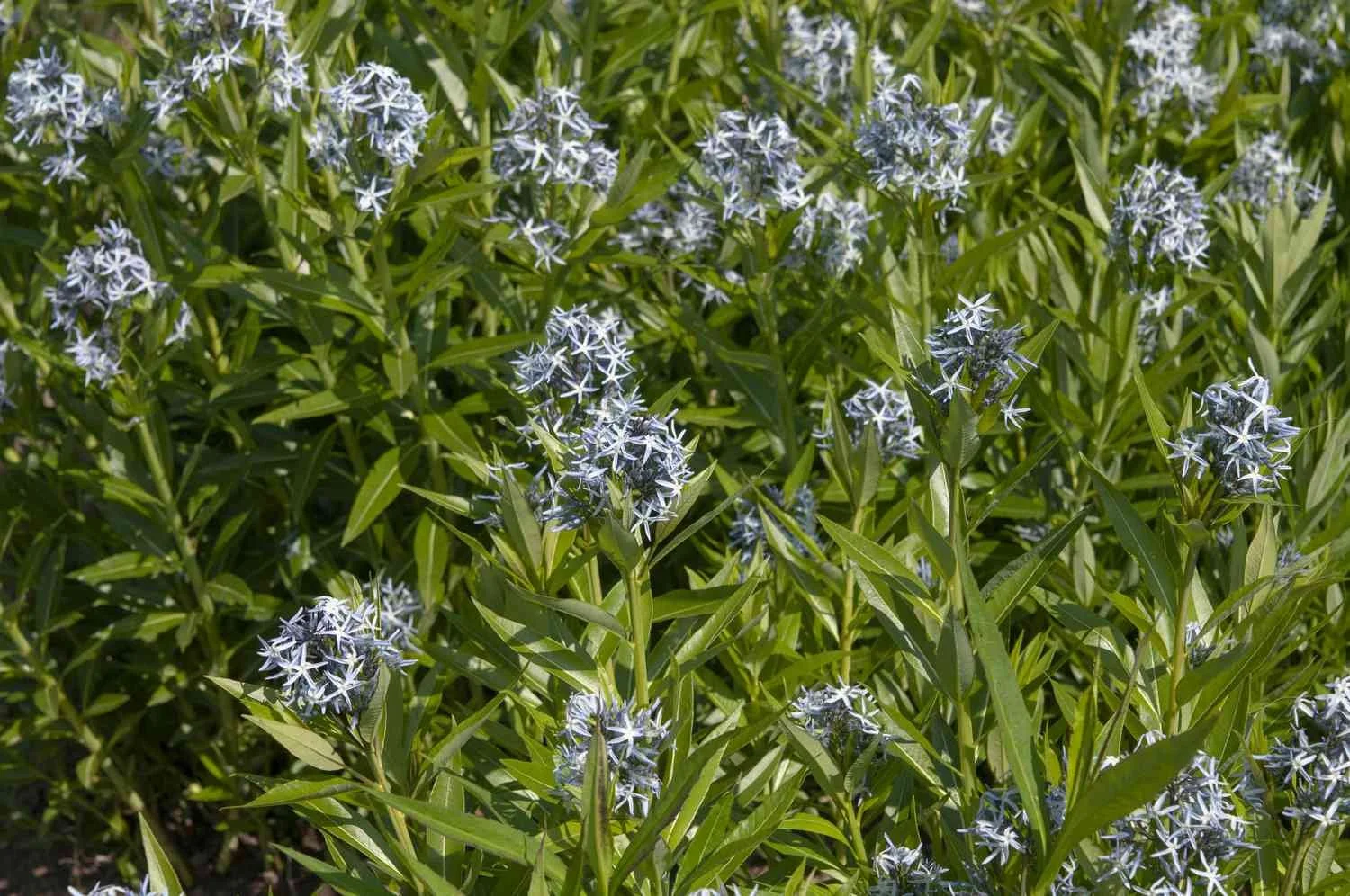
EASTERN BLUESTAR ‘Storm Cloud’
Amsonia tabernaemontana ‘Storm Cloud’
The blue star-shaped flowers bloom in mid-spring. Leaves turn a pretty yellow in fall. Easy plant to grow that looks great as an accent plant and also en masse. Prune after flowering to avoid it flopping over.
Attracts: Bees and other pollinators
Growth: Perennial, 2-3’h, Full sun/partial shade, tolerate of most soil types, likes moist well-draining soils
Blooms: Mid-spring
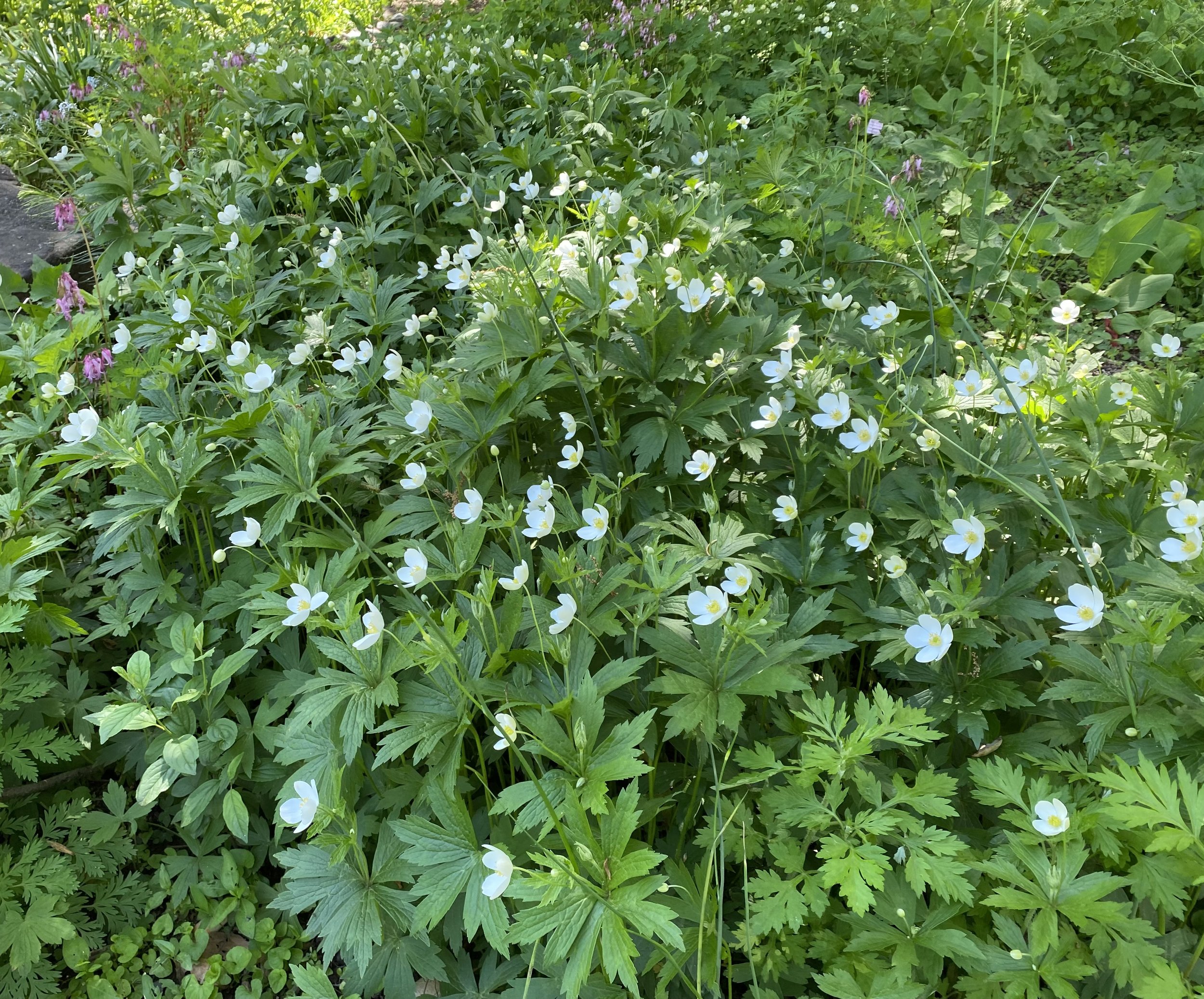
CANADA ANEMONE
Anemone canadensis
When in ideal conditions, this perennial in the buttercup family will spread quickly, making it a good ground cover. The white flower with yellow center sits atop a delicate whirled leaf and blooms in mid-late spring. It’s found in woodlands, along rivers and in moist meadows and thickets.
Attracts: Bees and other pollinators
Growth: Perennial, .5-1’, partial-shade to shade, tolerates most soil types, likes moist soil
Blooms: Mid to late spring
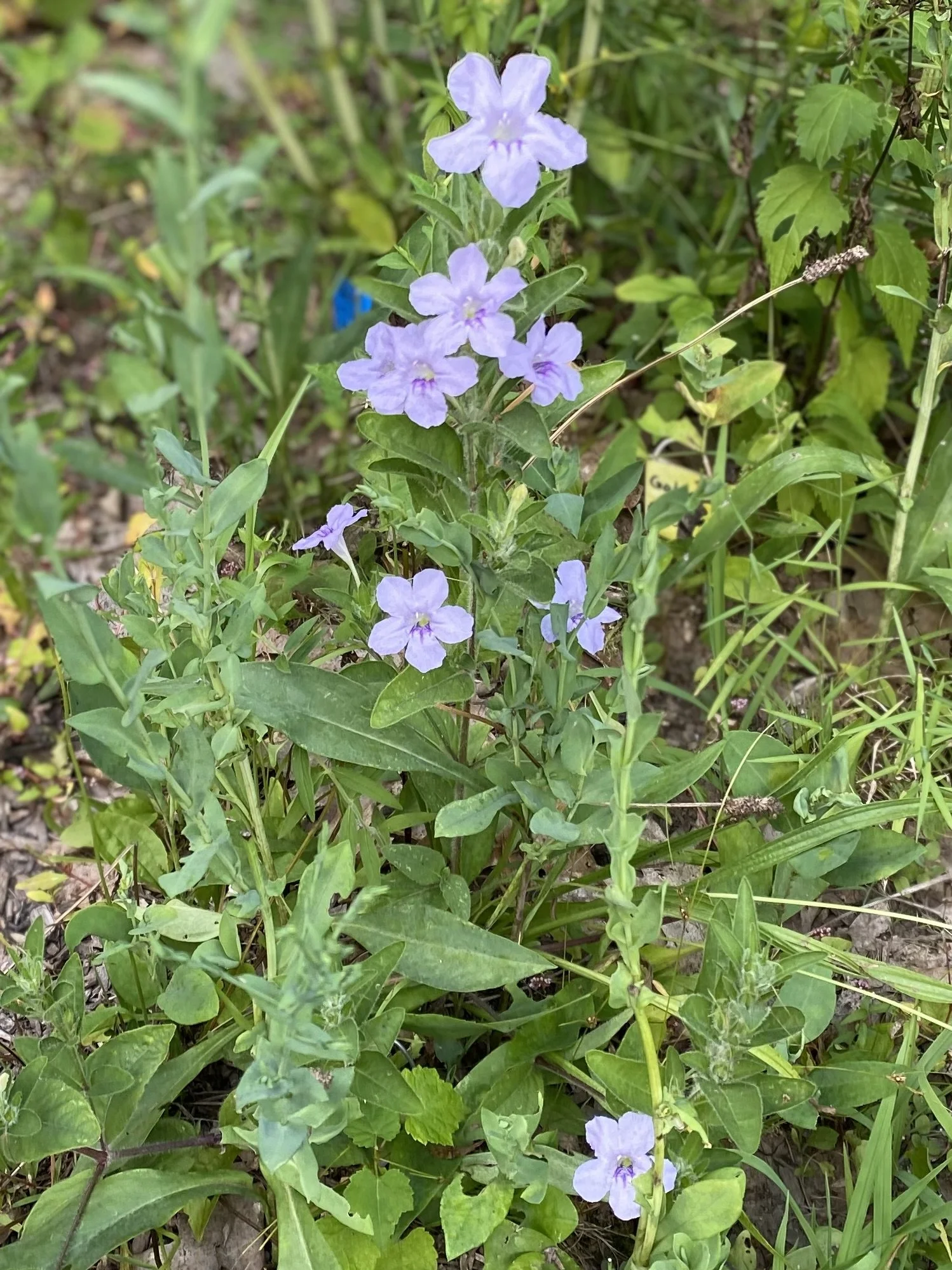
Geranium Wild
Geranium maculatum
Once established it will settle into your garden with bright green palmate leaves and lavender spring flowers. It spreads about 2-3 ft keeping weeds at bay. If the soil gets too dry the plant may die back and then reappear the next spring.
Attracts: bees, butterflies
Growth: Perennial, 1-2’, sun/part shade, dry or moist soil
Blooms: May
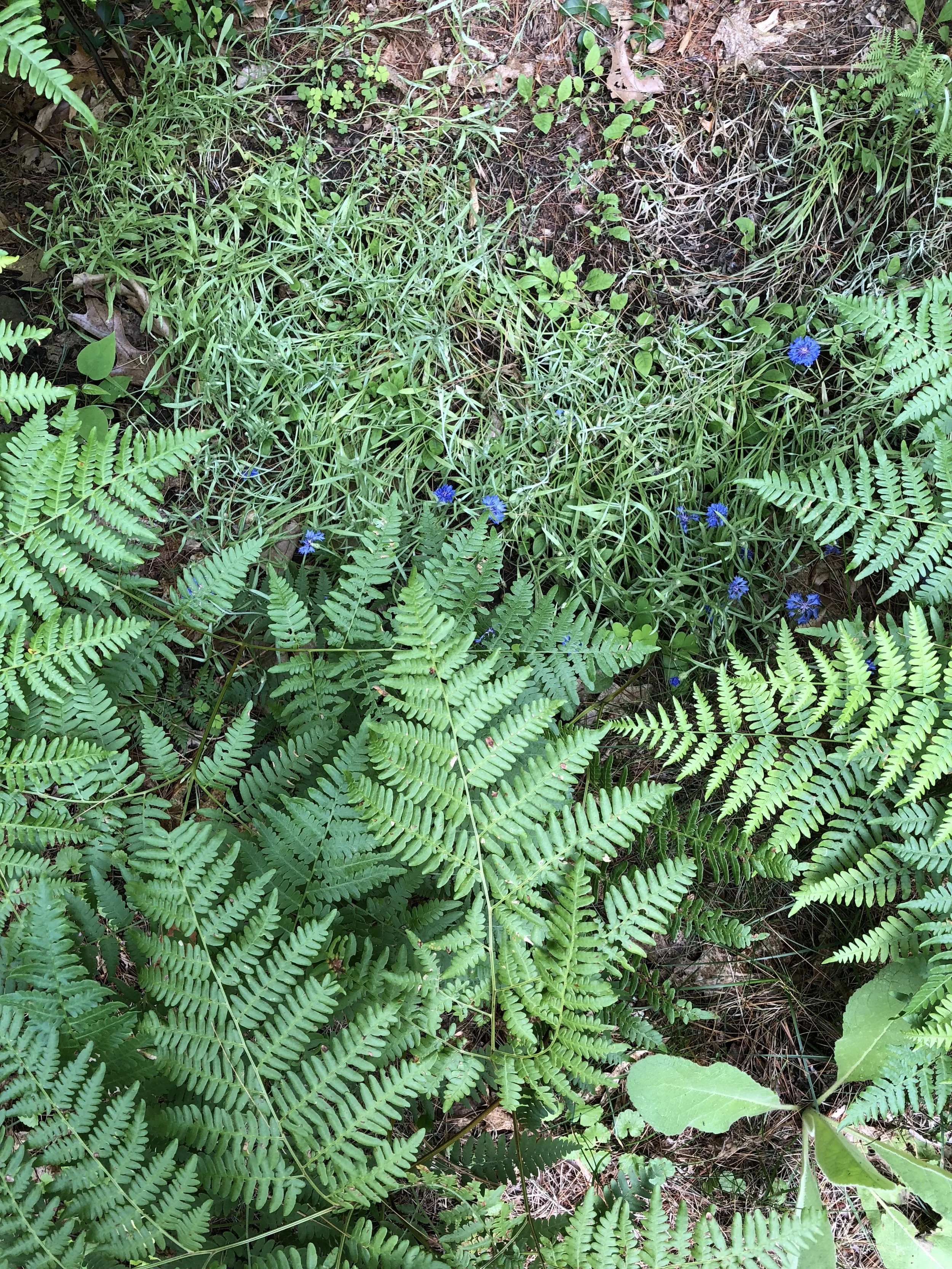
Ostrich Fern
Matteuccia struthiopteris
This fern is easily grown in the garden, especially if you keep it moist. It spreads with rhizomes underground, forming clumps that provide interest throughout the summer. Its scientific name honors Carlo Matteucci, a physicist who was the first to discover muscular current - the electrical phenomenon related to muscular effort.
Growth: fern, 2-6’, part to full shade, rich, moist soil
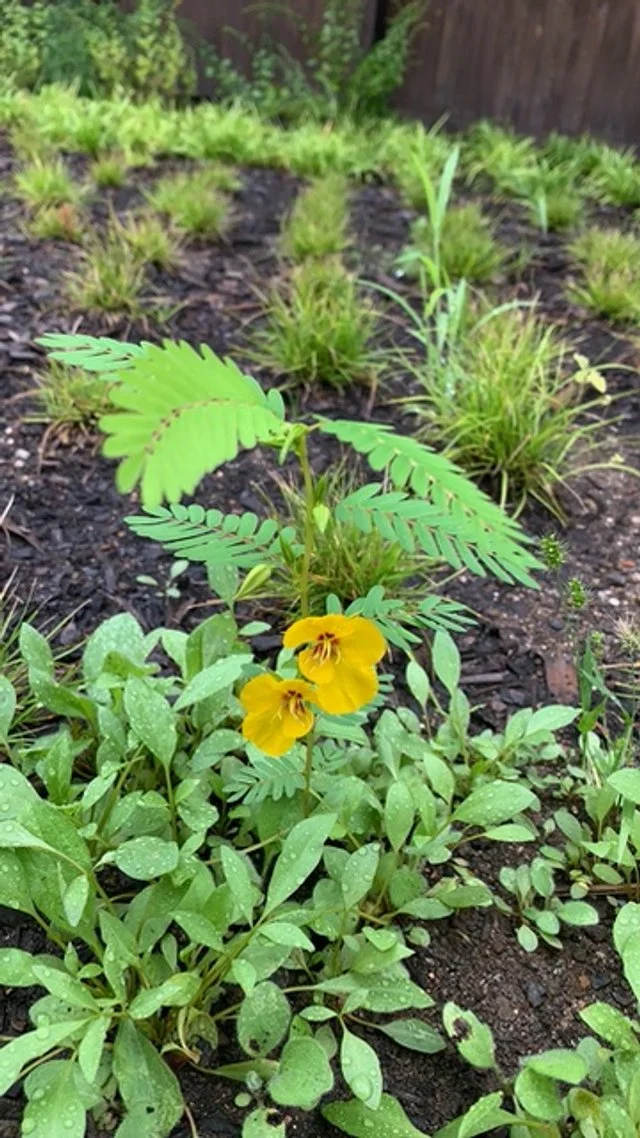
Partridge Pea
Chamaecrista fasciculate
An annual. this plant dies at the end of the season. However, it readily self seeds, and will continue to appear every year to show off its blue-green leaves and yellow flowers. You can grow this plant by simply sowing the seeds in your garden in the fall. Allow it to wind its way through a native plant flower bed. It is nitrogen-fixing so it enriches your soil.
Attracts: bees, wasps, flies, ants
Growth: annual, 1-3’ h, full sun, dry soil
Blooms: July - September
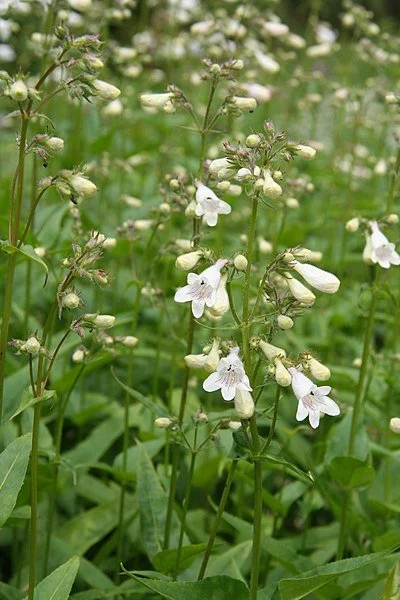
Penstemon, Tall White
Penstemon digitalis
This plant is also called Foxglove Beardtongue, referring to the shape of the flower which looks like a gloved finger. and the long hairy filament that protrudes from that flower. It looks great in naturalized areas of your yard, or at the back of a border.
Attracts: Bees, Hummingbirds, Butterflies
Growth: perennial, 2-3’ h, sun, well-drained soil
Bloom: April-June
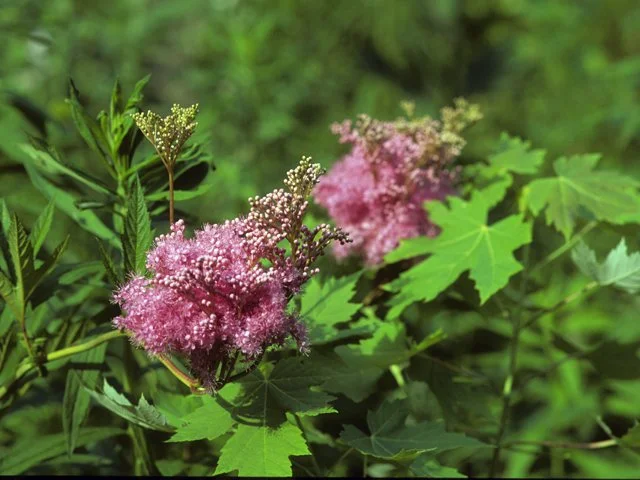
Queen of the Prairie
Filipendula rubra
With its pink flowers on tall stalks that rise above their surroundings and its star-shaped leaves, this plant is quite distinctive. Though native to New Jersey, it is endangered and rarely seen. We hope it thrives in Brookdale Park.
Attracts: bees, beetles, flies
Growth: perennial, 6-8’h, sun, average moist soil
Blooms: June, July
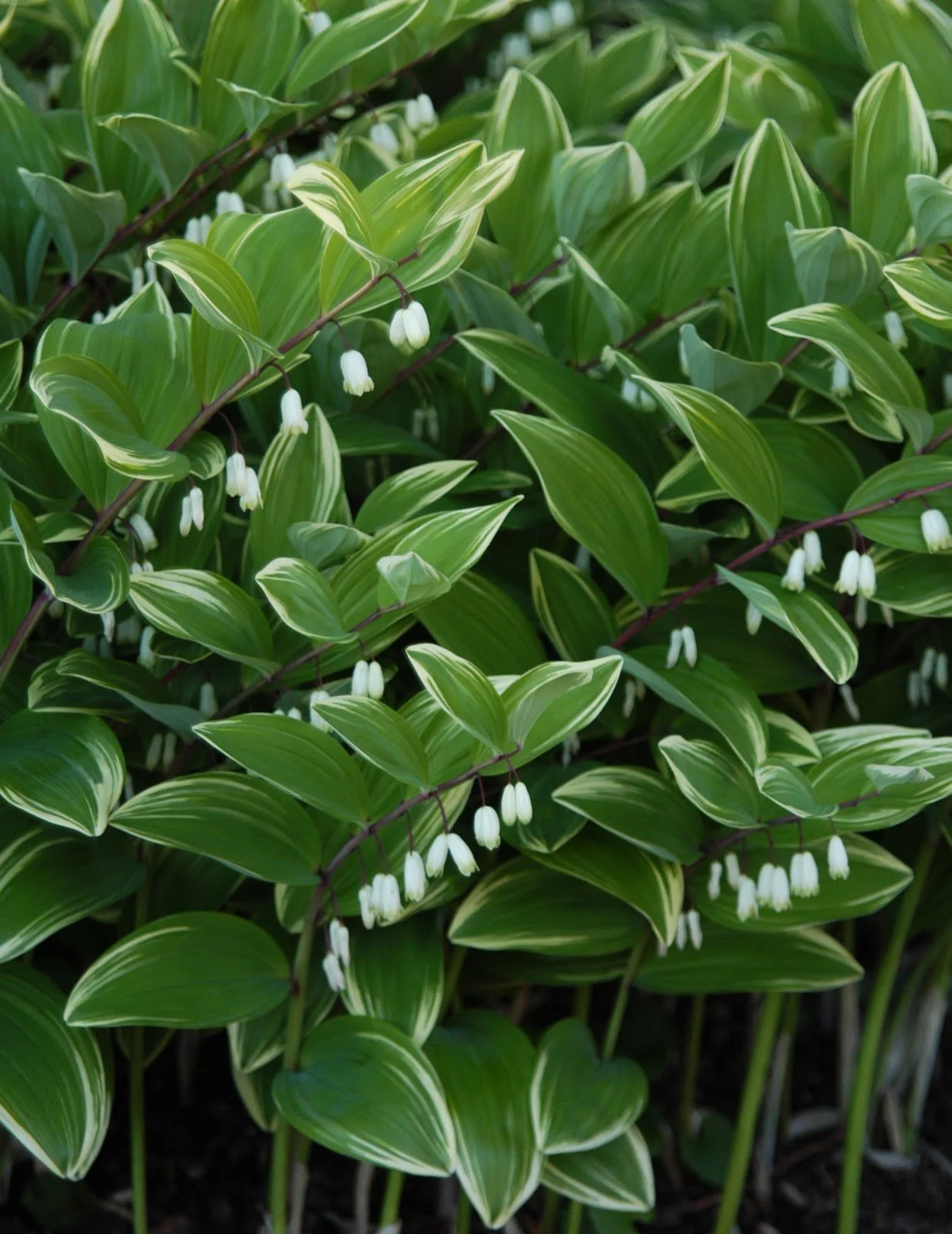
Solomon’s Seal, Varigated
Polygonatum odoratum var. pluriflorum
The fragrant flowers and striped leaves make this plant stand out in your shade garden. The blooms attract butterflies and birds love the berries that follow. Once planted, there is little upkeep, other than enjoying it.
Attracts: butterflies, birds
Growth: perennial, 2-3’, sun/part shade, moist soil
Blooms: April-June
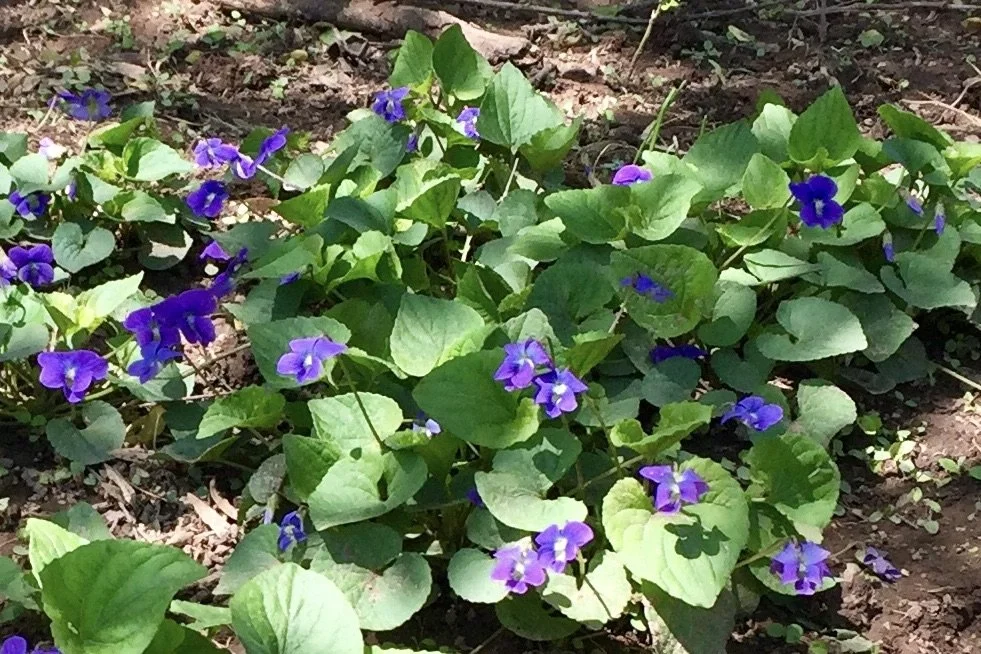
Violets
Viola sororia
Violets are our state flower and important to our ecosystem. Fritillary butterfly larvae eat only violets. While some people prefer a very tidy lawn or flower border, allowing violets in your yard provides color and supports 30 different species of fritillaries. Violets come in a variety of colors, blue, pink, white and bi-colored.
Attracts: bees, butterflies, birds Host plant: Greater and Lesser Fritillary Butterflies; Mining bee Andrena violae
Growth: perennial, .5’h, sun/part shade, well-drained soil
Bloom: April-June
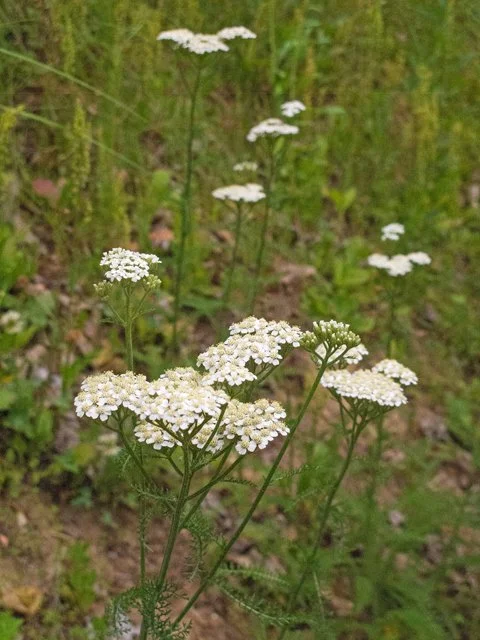
Yarrow
Achillea millefolium
With its finely cut fern-like leaves and tall flat flowers, yarrow is a soft accent in a border. It spreads through rhizomes and also self seeds, Watch it pop up in the garden filling in empty spaces and outcompeting weeds.
Attracts: bees, butterflies
Growth: perennial, 1-3’, full to part sun, dry soil
Blooms: June-September
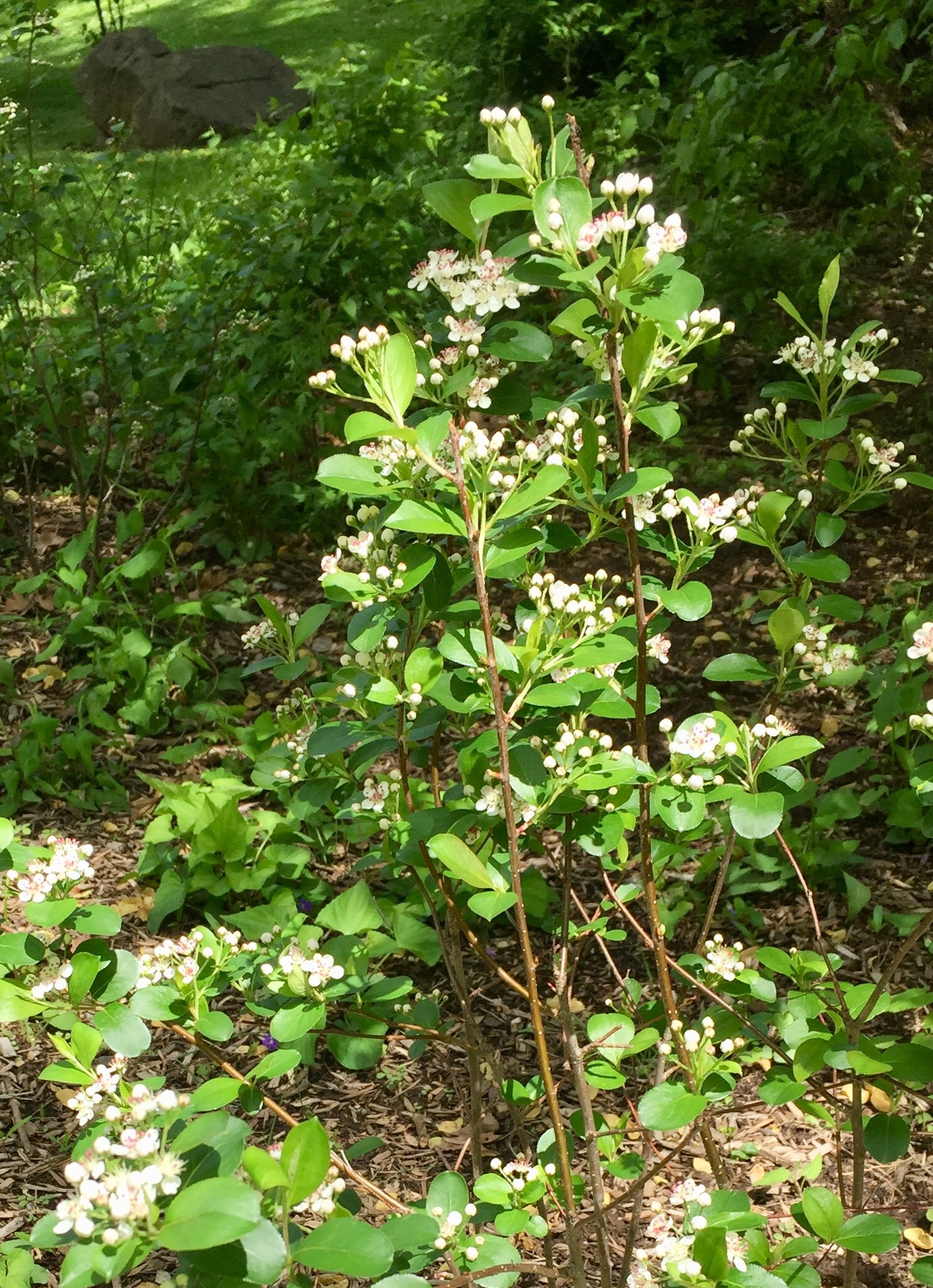
Aronia melanocarpa ‘Low Scape’
This shrub provides multi-season interest with fragrant white flowers in spring, brilliant red/purple foliage in fall, and bitter berries that provide food to birds and mammals in late winter. Spreads by suckers. This variety is bred to stay shorter than others.
Attracts: Birds and small mammals
Growth: shrub, 1-2’h, sun/part shade, well-drained, average soil
Bloom: May
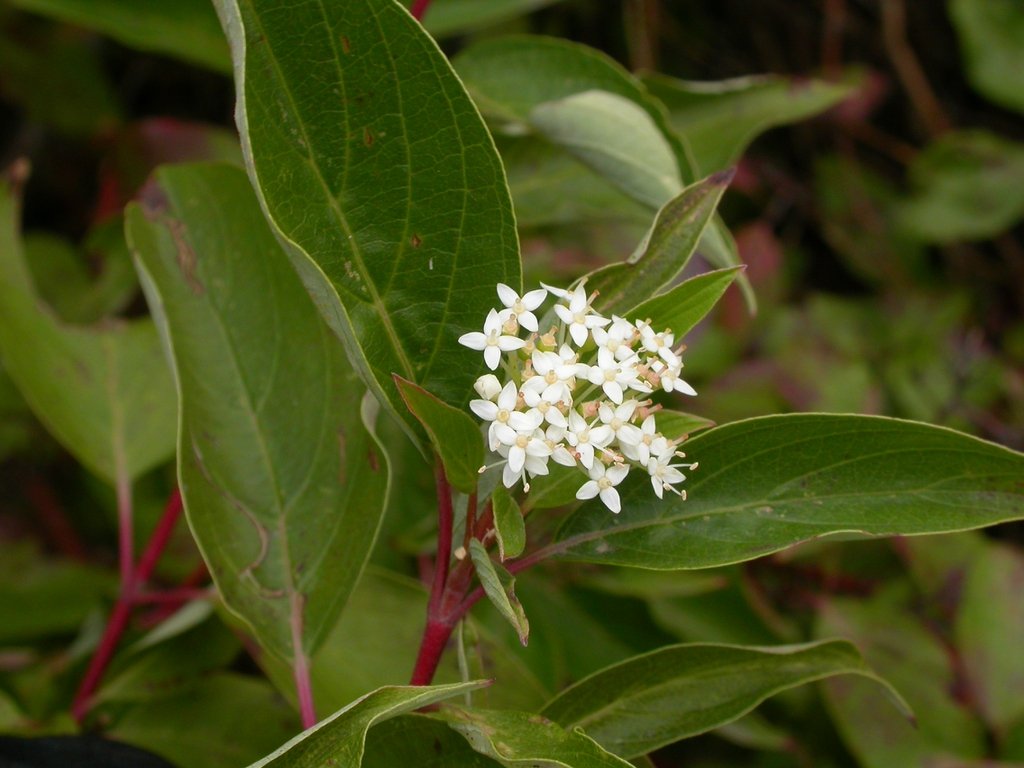
Dogwood, Red Osier
Cornus sericea
The bright red stems of this shrub provide winter interest but to have consistent color you must prune in late winter/early spring (remove up to a third of the oldest stems). It is a larval host for butterflies and an excellent addition to a pollinator garden with white flowers in summer and white berries in fall.
Attracts: butterflies, bees, birds and small mammals
Growth: shrub, 6-9’, sun/part shade, rich moist soil
Blooms: May-June
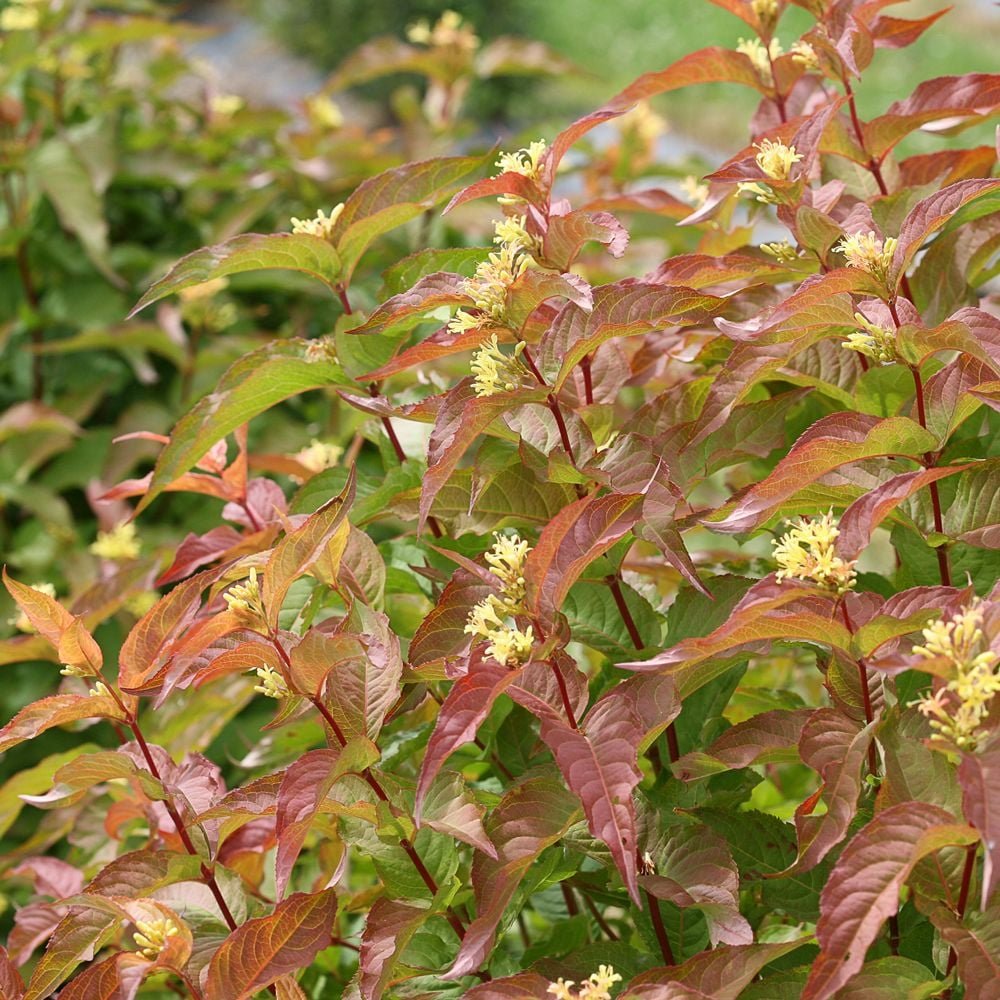
Honeysuckle, Bush
Diervilla ‘Kodiak Orange”
During the spring and summer this shrub has glossy green leaves and yellow flowers in the early summer. In the fall, the leaves are vibrant orange and provide a wonderful alternative to the non-native, invasive “burning bush” Euonymus.
Attracts: hummingbirds, butterflies
Growth: shrub, 3-4’h, sun/part shade, dry
Blooms: May-June
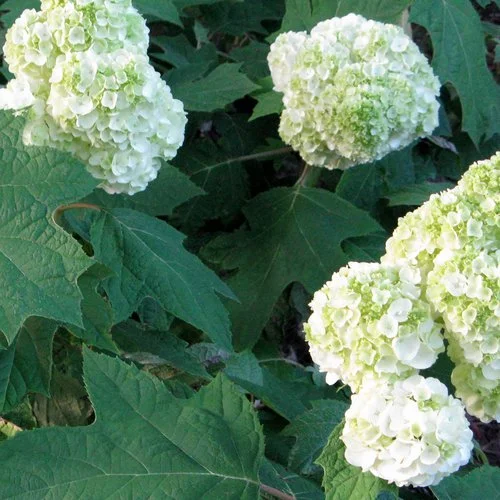
Hydrangea, Oakleaf ‘Alice’
Hydrangea quercifolia ‘Alice’
This native hydrangea is a multi-season showstopper. Its green oak-shaped leaves are attractive in the spring/summer and its white flowers rival many non-native hydrangeas in size and beauty. In the fall, the flowerhead ages to pink and the leaves turn a deep red, persisting well into winter.
Attracts: bees
Growth: shrub, 6’, full sun/part shade, moist, well-drained soil
Blooms: May-July
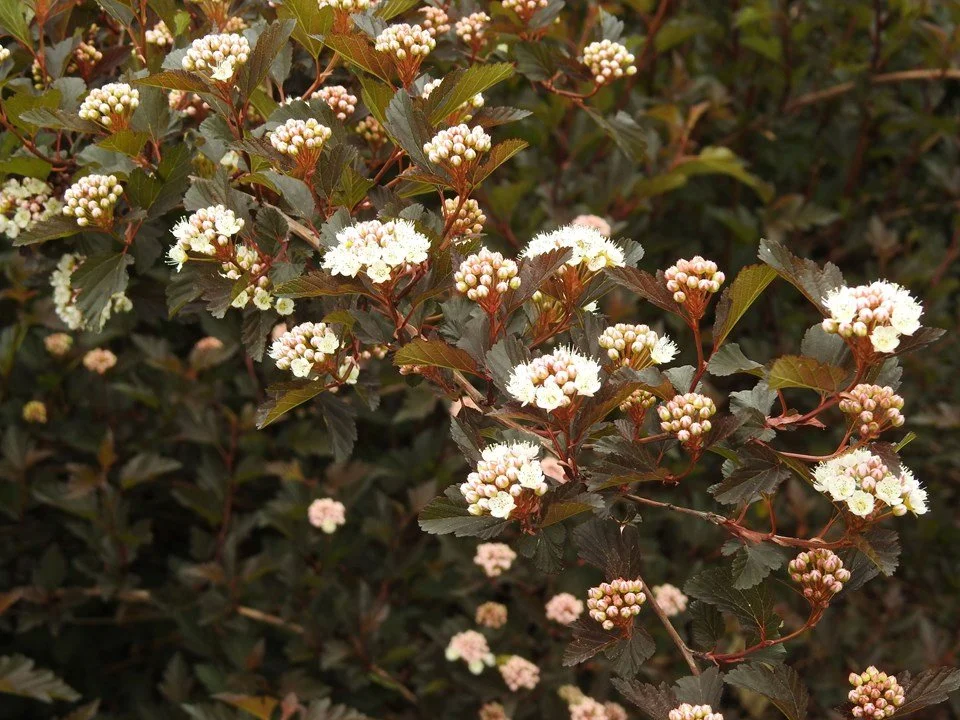
Ninebark ‘Summer Wine’
Physocarpus opulifolius ‘Summer Wine’
This variety of ninebark stands out for its dark red foliage which contrasts so well with its pink flowers. In the winter its bark exfoliates or peels showing several colors in the inner bark which adds interest to the landscape. These bushes are quick growers, filling in while other shrubs establish themselves.
Attracts: birds, bees
Growth: shrub, 6’h, full sun, well-drained soil
Blooms: June-July
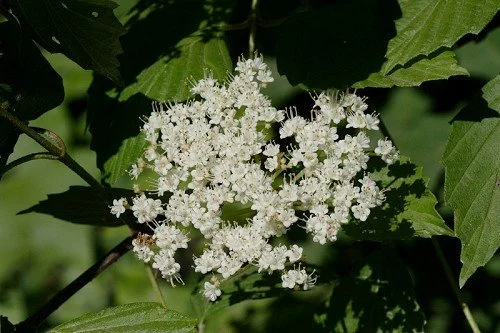
Viburnum, Arrowwood ‘Blue Muffin’
Viburnum dentatum ‘Blue Muffin’
This straight-stemmed shrub provided wood for arrows hence its common name. White flowers produce blue-black fruits that are eaten by birds. If you need to prune, do so immediately after blooming so that you do not lose flower buds.
Attracts: birds, butterflies, birds
Growth: shrub, 3-5’, sun/part shade, average soil
Blooms: May-June
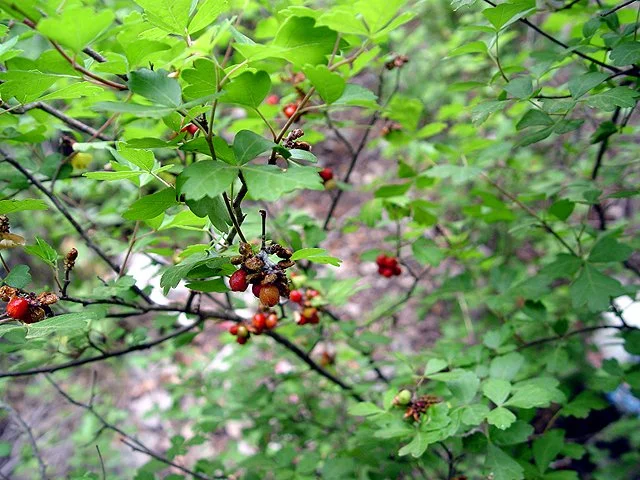
Sumac, Fragrant
Rhus aromatica
This bush has yellow flowers which are followed by red berries that birds love. It is a stand out in the fall when the aromatic leaves turn orange/red/reddish-purple. Planted in a group to form a border or on a slope to prevent erosion, this is a stunning landscaping choice.
Attracts: bees, butterflies Host: Red-banded Hairstreak
Growth: shrub, 3’h, sun, dry soils
Bloom: Spring
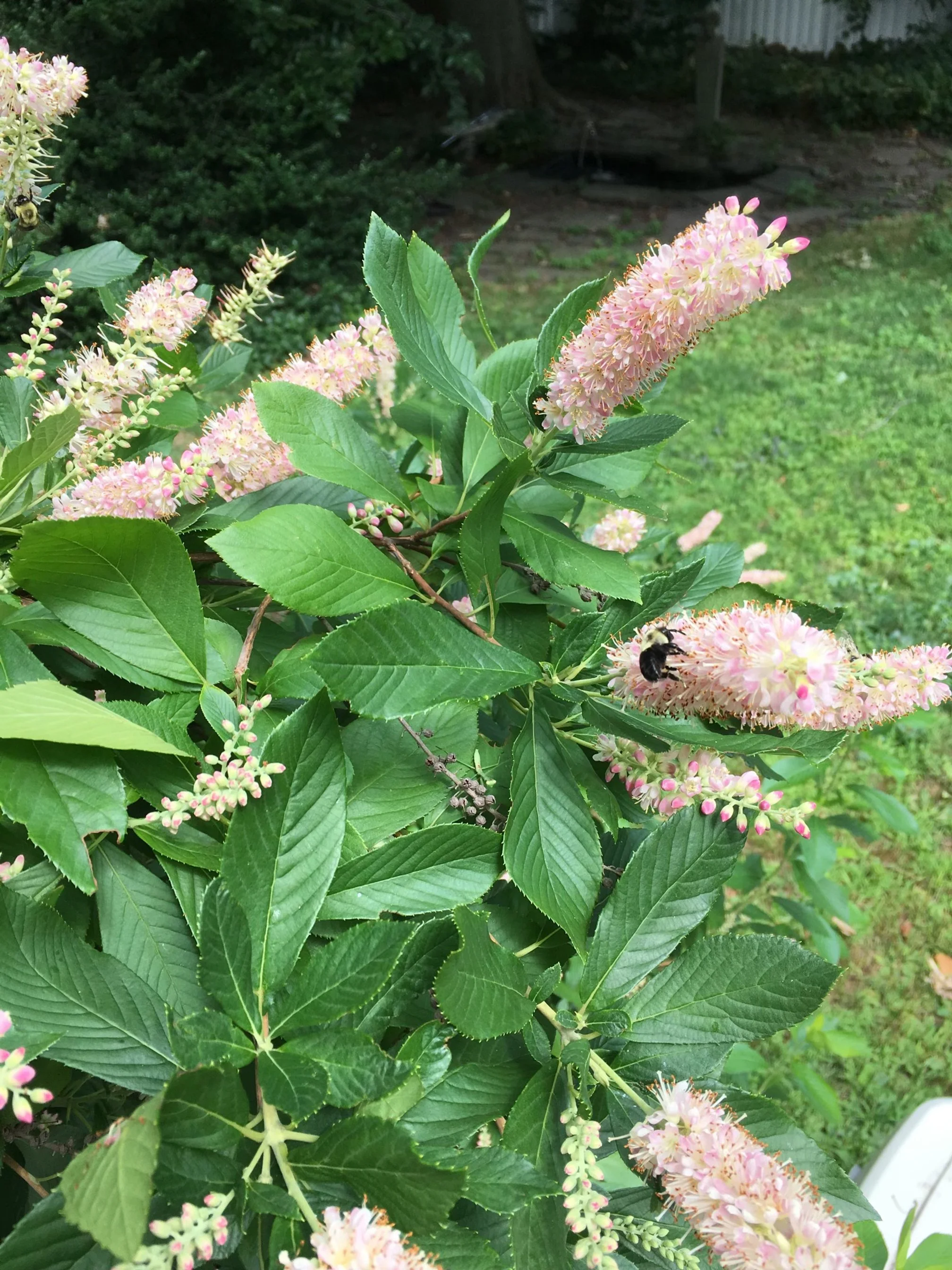
Summersweet
Clethera alnifolia ’16 Candles’
Planted near a door the sweet fragrance will delight you every time you go in or out. The clusters of white flowers produce peppercorn like seeds. Pollinators love the flowers in the summer and birds feast on the seeds in the fall/winter.
Attracts: bees, butterflies, hummingbirds, birds
Growth: shrub, 4’h, part shade, most soils
Bloom: Summer
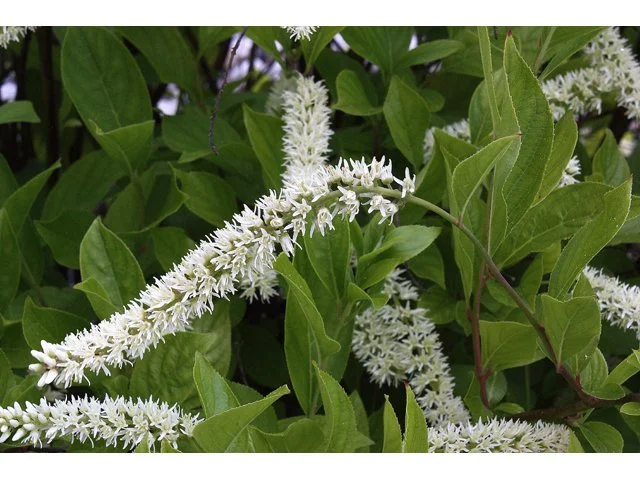
Virginia Sweetspire
Itea virginica
In early summer, long tassels of tiny, fragrant flowers appear. In the fall, the leaves turn a reddish purple. As the bush tolerates wet locations, it’s great in a woodland garden, along a pond or in a rain garden.
Attracts: bees, butterflies, hummingbirds, birds
Growth: shrub, 3-4’h, part shade, most soils, including wet
Bloom: Late Spring
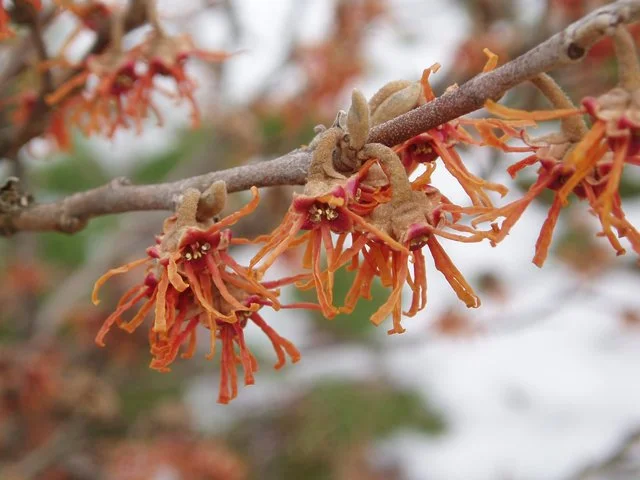
Witchhazel, Ozark
Hamamelis vernalis
This brings in wildlife and provides beauty throughout the seasons. Fragrant flowers with yellow crumpled petals and red centers early in the year before the leaves. Seed capsules mature in the summer attracting birds. Witchhazel also has abundant medicinal uses.
Attracts: bees, butterflies, birds
Growth: small tree or shrub, up to 15’h, part shade, most soil conditions
Bloom: mid to late winter